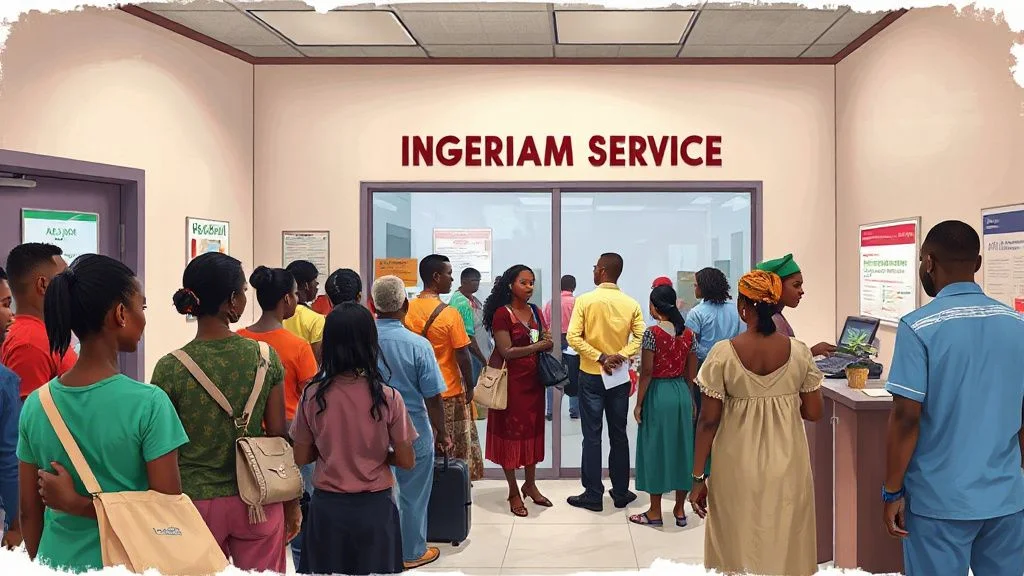
Relocating to Nigeria or dealing with immigration matters can be a daunting experience, especially when it comes to understanding the timelines involved in processing visas and permits. The Nigeria Immigration Service (NIS) plays a crucial role in this process, and knowing how long you might be kept waiting can help you plan your relocation or stay more effectively. This article will provide insights into the typical waiting times for various immigration services, factors that influence these timelines, and practical tips to navigate the system efficiently.
What can we help you with?
Three short questions, then just how to reach you. No account needed.
Understanding the Nigeria Immigration Service
The Nigeria Immigration Service is responsible for managing immigration processes, including the issuance of visas, residence permits, and passports. Their operations are critical for expatriates and returning Nigerians, as they ensure compliance with immigration laws and regulations. However, applicants often face delays, which can be frustrating and time-consuming.
Types of Services Offered
The NIS offers a range of services, including:
- Visa applications (tourist, business, student, etc.)
- Residence permits (CERPAC for expatriates)
- Passport issuance and renewal
- Emergency travel certificates
Each service has its own processing times, which can vary significantly based on several factors, including the type of application, the applicant's nationality, and the specific office handling the request.
Typical Waiting Times for Immigration Services
Waiting times for immigration services in Nigeria can vary widely. Here’s a breakdown of typical processing times for some common services:
Visa Applications
Nigeria publishes actual service standards for this, which makes the day counts circulating in relocation guides unnecessary as well as wrong. The Nigeria Immigration Service issues a SERVICE LEVEL AGREEMENT, whose revised edition was signed by the Comptroller General in April 2026, and the Service describes it as a binding social contract between itself and its customers that spells out its own responsibilities alongside what it requires from applicants. The timelines below come from that document rather than from experience or estimate.
For visas the headline figure is much shorter than most guidance suggests: the Service Level Agreement gives a timeline of 48 HOURS for an e-visa, applied for online, and that covers the short visit and transit categories as well as business entry. The qualification attached to it is the one to understand, because it is where the time actually goes: the forty-eight hours applies IF THERE IS NO LOCAL OBJECTION. Where a local objection is raised the application leaves that track, and no published period covers what follows. So treat 48 hours as the standard for a clean application and not as a promise about every case, and submit complete documentation, since an incomplete upload is the commonest reason an application never reaches the two-day path at all.
Residence Permits (CERPAC)
For the residence permit, the published standard is 10 DAYS FROM THE DATE OF ENROLMENT, and the words after the number matter more than the number. Enrolment means the interview and biometric capture, so the clock does not start when you apply or pay, it starts when you have physically attended and been captured. Someone who applied online six weeks ago and has not yet been enrolled has not had a ten-day wait; they have not started one. Get the enrolment appointment booked as the first priority and count from there. The fee for an employed expatriate is $2,000 (2026-10-21) (source: Nigeria Immigration Service, CERPAC page, measured 2026-10-21), and it is worth taking that from the Service itself, because figures quoted elsewhere for the same card range from a fraction of it to the full amount.
Passport Issuance and Renewal
Passports are where the published standard differs most sharply from what people expect, and it is worth knowing before you plan travel. The Service Level Agreement gives 42 DAYS for a standard passport on a FRESH application or a change of data, and 21 DAYS for a RENEWAL or reissue. Those are substantially longer than the two-week figure that still circulates, which comes from a ministerial statement in October 2023 and has been overtaken by this agreement; the Service noted even at the time that reissuing a lost passport and changing data take longer than the general case. The agreement also publishes the fee beside each timeline, with the 32-page five-year booklet at N100,000, exclusive of bank charges, so take the current price from the agreement rather than from a guide.
Published standards and delivery are not the same thing, and this is the one service where the gap is openly acknowledged: applicants report waits of several weeks or months, attributed to power outages, equipment failures and administrative problems, and the Minister of Interior has publicly criticised slow processing at passport offices during an inspection, noting that applicants were still waiting long after the offices should have opened (source: PunchNG). Apply well before you need the document, and use the published timeline as the thing to hold the Service to rather than as what you should assume will happen.
Factors Influencing Waiting Times
Several factors can influence how long you might have to wait for immigration services in Nigeria:
Office Location
The location of the immigration office can significantly impact processing times. Major cities like Lagos and Abuja may have more resources and staff, potentially leading to faster processing. However, these offices also handle a higher volume of applications, which can lead to longer wait times. In contrast, smaller regional offices may have fewer applicants but also fewer resources, resulting in variable processing times.
Application Completeness
Submitting a complete and accurate application is crucial for timely processing. Incomplete applications can lead to delays as the NIS may require additional documentation or clarification. It is advisable to double-check all requirements and ensure that you have all necessary documents before submission. This includes identification, photographs, and any supporting documents relevant to your application type.
Peak Application Periods
Certain times of the year see a surge in applications, particularly around holidays or during the academic year for student visas. During these peak periods, processing times can increase due to the higher volume of applications. Planning your application submission outside of these peak times can help reduce waiting times.
Practical Tips for Navigating the Process
To minimize waiting times and ensure a smoother experience with the Nigeria Immigration Service, consider the following practical tips:
1. Apply Online When Possible
Many immigration services can be initiated online, which can save time and streamline the process. Ensure you follow the online application guidelines carefully and keep copies of all submitted documents.
2. Prepare Documentation in Advance
Gather all required documents before applying. This includes your passport, photographs, proof of residence, and any other relevant paperwork. Having everything ready can prevent delays caused by missing information.
3. Monitor Application Status
After submitting your application, keep track of its status. The NIS provides online tracking options for some services, allowing you to stay informed about your application’s progress. If you notice significant delays, consider reaching out to the NIS for updates.
4. Visit the Office During Off-Peak Hours
If you need to visit an immigration office, try to go during off-peak hours. Early mornings or late afternoons on weekdays are often less crowded, which can lead to shorter wait times.
5. Be Patient and Prepared for Delays
Delays are a common part of the immigration process in Nigeria. Being mentally prepared for potential waiting times can help reduce frustration. Bring reading materials or work to do while you wait.
Common Pitfalls to Avoid
While navigating the immigration process, be aware of common pitfalls that can lead to unnecessary delays:
1. Making Unofficial Payments
Some applicants may be tempted to make unofficial payments to expedite their applications. This practice is not only illegal but can also lead to further complications. Stick to official fees and processes to avoid issues.
2. Ignoring Communication from the NIS
Always respond promptly to any requests for additional information or documentation from the NIS. Ignoring these communications can lead to your application being delayed or rejected.
3. Failing to Keep Copies of Documents
Always keep copies of all documents submitted and received during the application process. This can be invaluable if there are any disputes or issues with your application.
Conclusion
Understanding the typical waiting times for services offered by the Nigeria Immigration Service can help expatriates and returning Nigerians plan their immigration processes more effectively. While waiting times can vary based on numerous factors, being prepared and informed can significantly ease the experience. By following the practical tips outlined in this article, applicants can navigate the immigration landscape in Nigeria with greater confidence and efficiency.