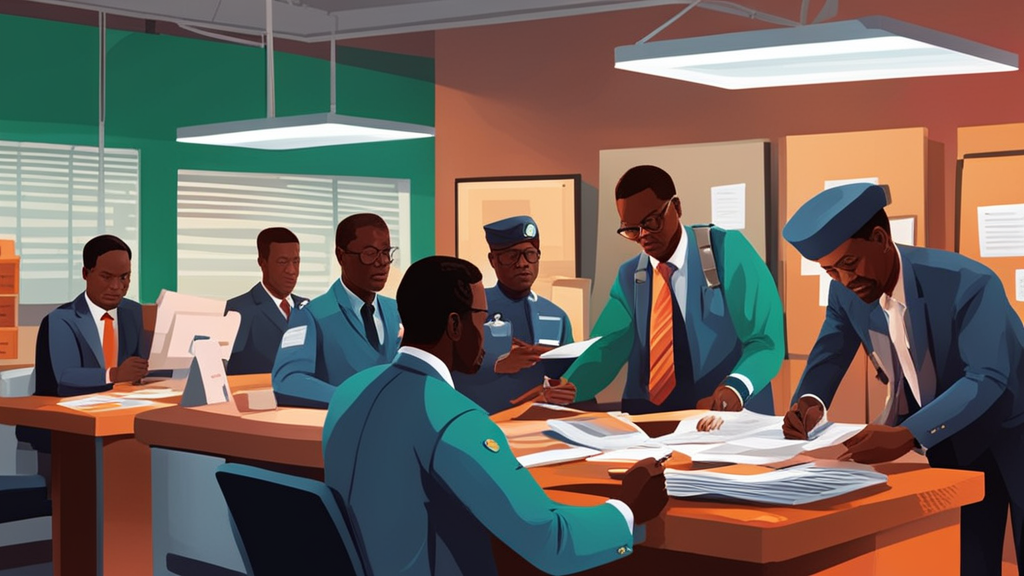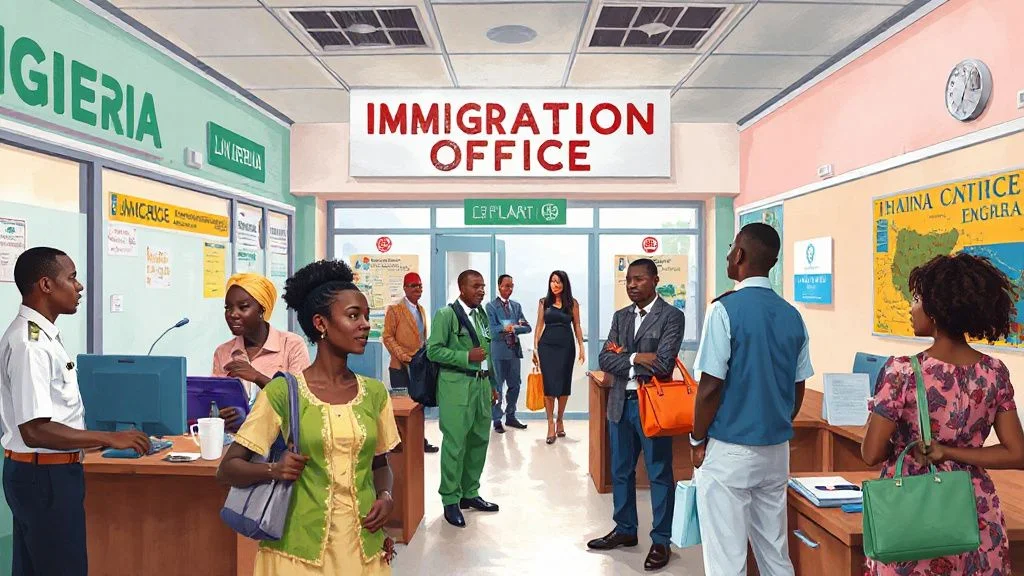
When relocating to Nigeria, especially for expatriates and returning-diaspora Nigerians, understanding the immigration process is crucial. One aspect that often raises questions is the duration of monitoring visits conducted by the Nigeria Immigration Service (NIS). This article will provide a comprehensive overview of what these visits entail, how long they typically last, and what you can expect during the process.
What can we help you with?
Three short questions, then just how to reach you. No account needed.
What is a Monitoring Visit?
A monitoring visit by the Nigeria Immigration Service is an official inspection conducted to ensure compliance with immigration laws and regulations. These visits can occur for various reasons, including verifying the status of expatriates, assessing compliance with residency permits, or checking the legitimacy of businesses employing foreign nationals. The NIS aims to ensure that all foreign nationals adhere to the terms of their visas or residency permits.
Monitoring visits are particularly relevant for expatriates working in Nigeria, as they help the government maintain oversight of foreign workers and ensure that they are contributing positively to the local economy. During these visits, immigration officers may check documentation, conduct interviews, and assess the living conditions of expatriates.
Duration of Monitoring Visits
The duration of a monitoring visit can vary significantly based on several factors, including the purpose of the visit, the complexity of the case, and the number of individuals being monitored. Typically, a monitoring visit can last anywhere from a few hours to a full day. However, in some cases, it may take longer if additional investigations or interviews are required.
For instance, if an immigration officer is visiting a company to verify the employment status of multiple expatriates, the visit may take longer as they will need to interview each individual and review their documentation. Conversely, if the visit is a routine check on a single expatriate, it may be completed more quickly.
Factors Influencing Duration
- Number of Expatriates: The more expatriates being monitored, the longer the visit will typically take. If a company employs several foreign workers, expect the visit to last longer as each individual's status is verified.
- Documentation Completeness: If all required documents are in order, the visit may proceed smoothly and quickly. However, if there are discrepancies or missing information, the immigration officers may need to conduct further investigations, extending the duration of the visit.
- Complexity of the Case: Some cases may involve additional scrutiny due to previous violations or concerns raised about the expatriate's status. In such instances, the visit may take longer as officers conduct thorough checks.
- Location: The geographical location of the monitoring visit can also impact its duration. Visits to remote areas may take longer due to travel time and logistics.
What to Expect During a Monitoring Visit
Understanding what to expect during a monitoring visit can help expatriates prepare adequately. Here are some key aspects to keep in mind:
Documentation Review
During a monitoring visit, immigration officers will typically request to see various documents, including:
- Valid residency permits or visas
- Employment contracts
- Proof of accommodation
- Tax identification numbers and evidence of tax payments
It is essential to have these documents readily available to facilitate a smooth visit. Ensure that all documents are up-to-date and accurately reflect your current status in Nigeria.
Interviews
Immigration officers may conduct interviews with expatriates to verify their employment status and living conditions. These interviews can cover various topics, including:
- Your role within the company
- Your understanding of local laws and regulations
- Your experiences living in Nigeria
Be prepared to answer questions honestly and provide any additional information requested by the officers. This is an opportunity to demonstrate your compliance with immigration regulations.
Site Visits
In some cases, immigration officers may conduct site visits to the workplace or residence of the expatriate. This allows them to assess the living and working conditions directly. During these visits, they may look for:
- Compliance with local labor laws
- Health and safety standards
- Overall working environment
Ensure that your workplace and living conditions meet local standards to avoid any issues during the visit.
Common Reasons for Monitoring Visits
Monitoring visits can occur for various reasons, including:
- Routine Checks: The NIS conducts routine checks to ensure compliance with immigration laws. These visits are typically scheduled and announced in advance.
- Complaints or Concerns: If there are complaints about a particular expatriate or company, the NIS may conduct a monitoring visit to investigate the claims.
- Renewal of Residency Permits: Monitoring visits may also be part of the process for renewing residency permits, ensuring that expatriates continue to meet the necessary requirements.
Practical Tips for Expatriates
Here are some practical tips for expatriates to ensure a smooth monitoring visit:
- Stay Informed: Keep yourself updated on immigration laws and regulations in Nigeria. This will help you understand your rights and responsibilities as an expatriate.
- Maintain Accurate Documentation: Ensure that all your documents are accurate and up-to-date. This includes your residency permit, employment contract, and any other relevant paperwork.
- Prepare for Interviews: Practice answering potential questions that immigration officers may ask during the visit. This will help you feel more confident and prepared.
- Communicate with Your Employer: Keep your employer informed about your immigration status and any changes that may occur. This will help them support you during the monitoring visit.
- Seek Legal Advice: If you have concerns about your immigration status or the monitoring process, consider seeking legal advice from an immigration lawyer familiar with Nigerian laws.
Conclusion
Monitoring visits by the Nigeria Immigration Service are an essential part of ensuring compliance with immigration laws. While the duration of these visits can vary, being prepared and understanding what to expect can significantly ease the process. By maintaining accurate documentation, being informed about your rights, and communicating effectively with your employer, you can navigate these visits with confidence. Always remember to verify with official sources for the most current information regarding immigration policies and procedures in Nigeria.
Primary Sources
Last updated: November 2026