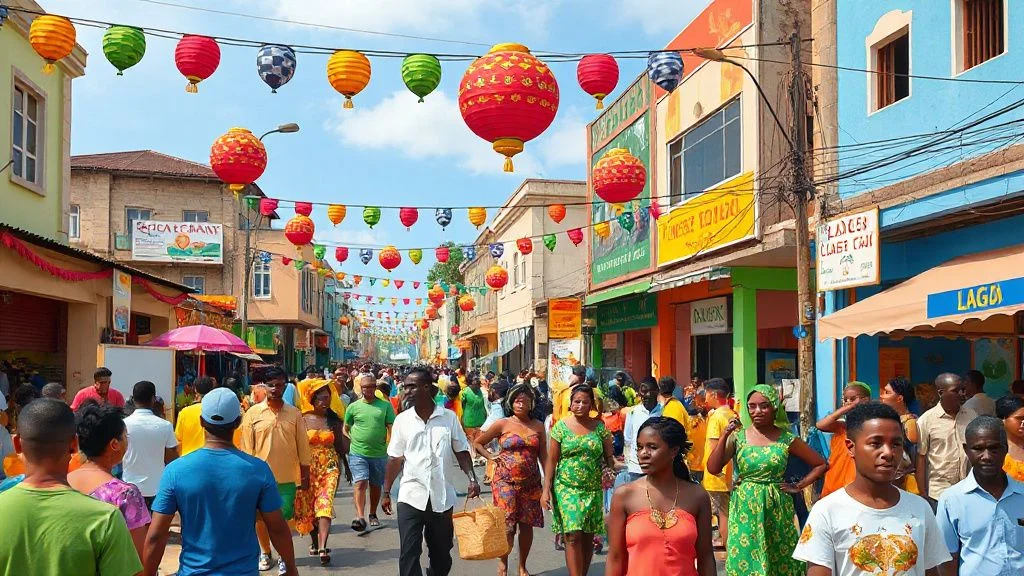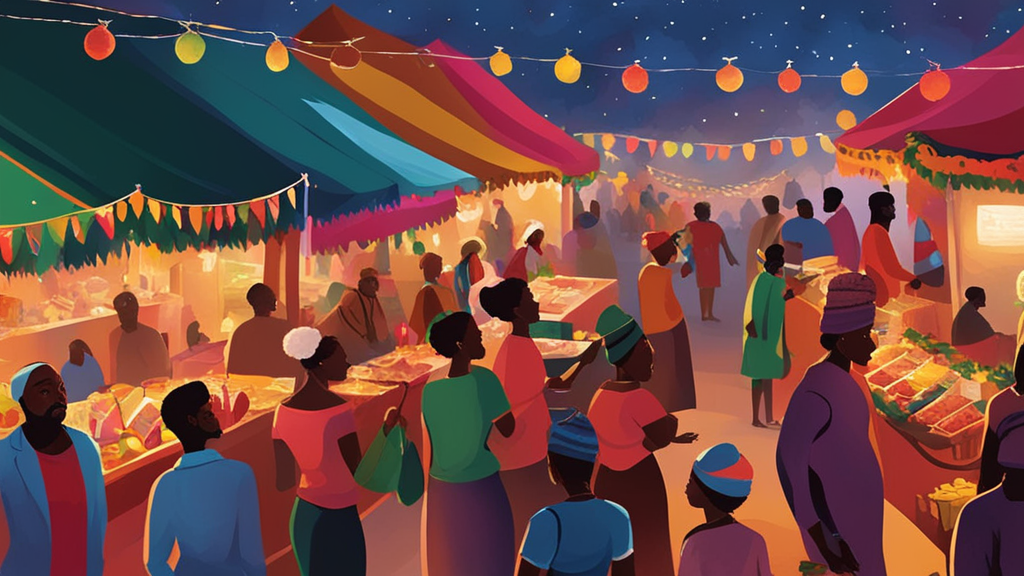
Nigeria is home to a multitude of ethnic groups, among which the Hausa and Igbo are significant players in the cultural tapestry of the nation. This article delves into the current status and cultural contributions of these two ethnic groups, providing expatriates with key insights and practical advice for navigating interactions in the vibrant social landscape of Nigeria.
What can we help you with?
Three short questions, then just how to reach you. No account needed.
Hausa: An Overview of Language and Culture
Demographics and Distribution
The Hausa people, primarily located in the northern regions of Nigeria, represent one of the largest ethnic groups in Africa, constituting roughly 30% of Nigeria's population. Major cities with a significant Hausa presence include Kano, Kaduna, and Zaria. The Hausa language, recognized as a lingua franca across West Africa, is spoken by millions not only in Nigeria but also in neighboring countries like Niger, Ghana, and Cameroon.
In urban centers, Hausa speakers engage in various trades and professions, contributing to the economy through agriculture, commerce, and politics. The Hausa culture is rich in traditions, with notable influences seen in their architecture, fashion, and culinary practices. Traditional attire, such as the flowing 'babanriga' for men and colorful 'zani' for women, reflects their heritage and is commonly worn during festivals and significant events.
Hausa Festivals and Traditions
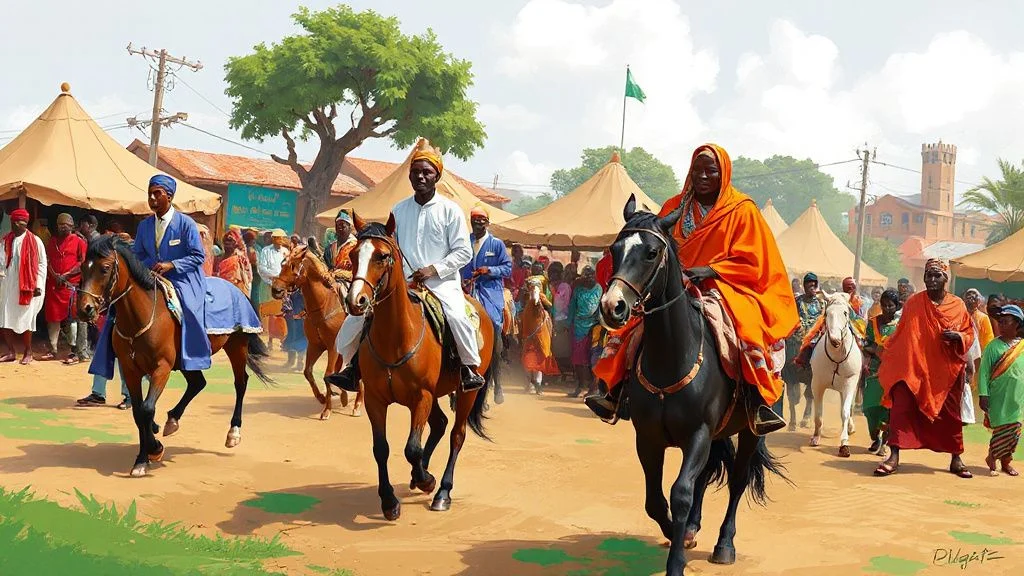
Hausa culture is characterized by vibrant festivals that celebrate their heritage. One notable festival is the Durbar, held during Eid celebrations in cities like Kano and Katsina. This event features a grand parade of horse riders dressed in traditional attire, showcasing the rich equestrian culture of the Hausa people. Expatriates can participate in these festivities to gain firsthand experience of local customs and social practices.
Another important tradition is the Sallah celebration, marking the end of Ramadan. It involves communal prayers, feasting, and visiting friends and family. Understanding these cultural nuances can help expatriates build strong relationships with Hausa communities and navigate social interactions more effectively.
Igbo: Language and Cultural Identity
Demographics and Distribution
The Igbo people, estimated to make up about 15-18% of Nigeria's population, primarily reside in the southeastern states, including Anambra, Enugu, Abia, Imo, and Ebonyi. Major cities like Enugu, Onitsha, and Aba are bustling with activities that reflect the dynamic Igbo culture. The Igbo language, part of the Niger-Congo language family, serves as a vital medium for cultural expression and communication.
Igbo speakers are known for their entrepreneurial spirit and engagement in various sectors, particularly commerce, arts, and technology. The Igbo culture places a strong emphasis on education and innovation, which is evident in their growing influence in Nigeria’s business landscape.
Igbo Festivals and Traditions
Igbo culture is rich with festivals, with the New Yam Festival being one of the most significant. Celebrated in August, this festival marks the beginning of the harvest season and involves rituals to honor the earth goddess. Expatriates can experience traditional dances, music, and the ceremonial eating of yams, which symbolizes prosperity and gratitude.
The Ibo culture also celebrates the Odu Oji festival, a rite of passage that honors the ancestors and strengthens community ties. Understanding the significance of these cultural events allows expatriates to engage meaningfully with Igbo communities and foster connections.
Language and Communication
Hausa Language Dynamics
The Hausa language has evolved, incorporating elements from Arabic, English, and local dialects. Today, it serves not only as a mode of communication but also as a cultural symbol. Many Hausa speakers are bilingual, fluent in English, which is the official language of Nigeria. This bilingualism facilitates interactions with expatriates and enhances business opportunities. For expatriates, learning basic Hausa phrases can significantly improve communication and rapport with locals.
Igbo Language Usage
Igbo, like Hausa, has a rich linguistic heritage, with various dialects across regions. Despite the variations, the standard Igbo language is widely understood. English serves as a bridge language, making it easier for expatriates to navigate everyday interactions. Familiarizing oneself with essential Igbo phrases, such as greetings and common expressions, can enhance social interactions and demonstrate respect for the local culture.
Practical Tips for Expats
Building Relationships with Hausa and Igbo Communities
Understanding cultural nuances is vital for expatriates looking to integrate into Nigerian society. Both Hausa and Igbo communities value respect and hospitality. Simple gestures, such as greeting elders and participating in community events, can foster goodwill. When attending festivals, dressing in traditional attire is appreciated and shows respect for the culture.
Networking is crucial in Nigeria. Expatriates should engage with local communities through business forums, cultural events, and social gatherings. Establishing connections with local leaders or community influencers can provide valuable insights and facilitate smoother integration.
Being Mindful of Cultural Differences
Expatriates should be aware of cultural differences that can affect interactions. For instance, Hausa speakers may prefer formal greetings, while Igbo speakers might be more relaxed in their approach. Understanding these subtleties can prevent misunderstandings and promote harmonious relationships.
Moreover, being patient and open-minded is essential. Language barriers may cause difficulties initially, but perseverance and a willingness to learn will yield positive results. Emphasizing shared values, such as family and community, can bridge cultural divides and foster friendships.
Conclusion
The Hausa and Igbo ethnic groups play significant roles in Nigeria's cultural landscape. Their languages, traditions, and festivals offer a rich tapestry of experiences for expatriates. By understanding the demographics, cultural practices, and communication styles of these groups, expatriates can navigate life in Nigeria more effectively. Building genuine relationships with local communities will enrich the expatriate experience and contribute to a more profound understanding of Nigeria's diverse culture.