
This guide was synthesized using the latest legislative data and verified by our editorial board. Laws are subject to change; always consult official sources for final confirmation.
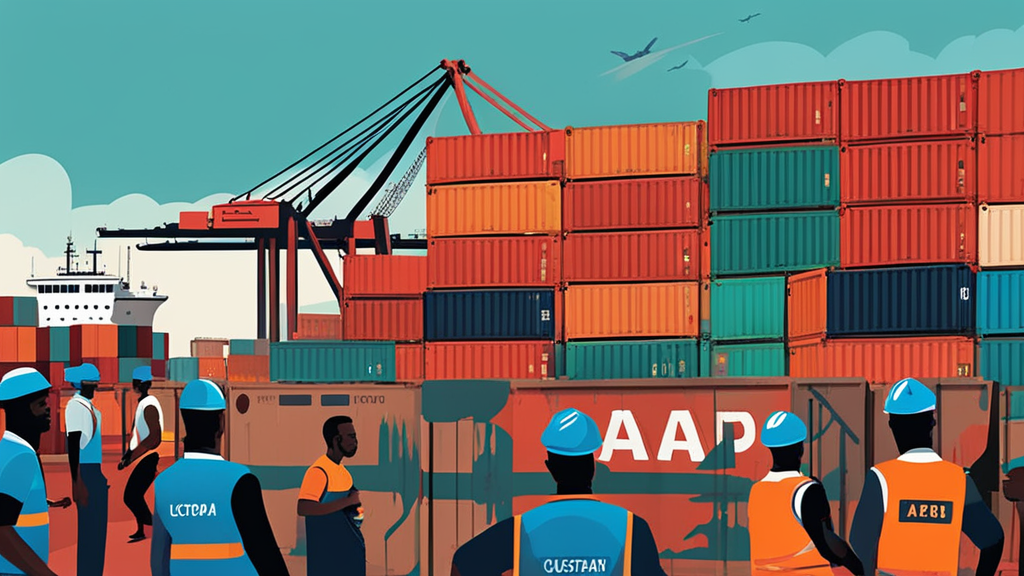
If you're an expatriate or returning Nigerian professional considering importing goods into Nigeria, particularly through the bustling Apapa Port in Lagos, you might wonder if clearing your own container is a realistic option. This article will guide you through the customs clearance process, highlight the challenges, and provide practical tips for a successful experience.
Understanding the Customs Clearance Process
The customs clearance process at Apapa Port can be complex and often requires meticulous attention to detail. Before your container arrives, you must prepare the necessary documents. These include:
- Commercial Invoice: This document should detail the value, description, and quantity of goods in your shipment.
- Packing List: A comprehensive breakdown of contents, weights, and dimensions.
- Bill of Lading (B/L): Issued by your shipping line, this serves as the title deed to your cargo.
- Form M: This import declaration form must match your commercial invoice and be opened at your bank prior to shipment.
- Combined Certificate of Value and Origin (CCVO): Validates the origin and value of your goods.
The Importance of Early Preparation
Many first-time importers make the mistake of waiting until the vessel arrives to think about documentation. This can lead to demurrage charges, which accumulate daily. To avoid this, start preparing your documents as soon as you decide to import goods. Engaging a licensed clearing agent early in the process can facilitate smoother transactions and ensure compliance with regulations.
The Role of a Clearing Agent
While it is theoretically possible to clear your own container, engaging a licensed clearing agent is advisable. According to Nigerian law, only licensed customs agents can file entries and process clearance on your behalf. These professionals understand the intricacies of the system and can navigate potential pitfalls that may arise during the process.
Why Agents Are Essential
Clearing agents help ensure that all documents are in order before you approach customs. They will require original or certified copies of your documents, including the PAAR (Pre-Arrival Assessment Report), which they will process through the Nigeria Customs Service (NCS) NICIS II system. This step typically takes 1-3 working days if all documents are accurate. Any discrepancies can lead to your PAAR being rejected, which can drastically delay the process.
Cost Considerations
When considering whether to clear your own container, it's essential to factor in the costs involved. Duties, fees, and other charges can add up quickly. For example, the customs duty is calculated based on the CIF value (Cost, Insurance, and Freight) of your goods, and the HS tariff code associated with each product. As of our last update, the current exchange rate is 1 USD = 1331.186 NGN, which affects how you assess the total costs in USD.
Understanding Potential Costs
For an estimate, consider that typical fees for clearing a 20ft container can include:
- Deposit Fee: ₦100,000 (approximately $75)
- Terminal Fee: ₦90,000 (approximately $68)
- Customs Documentation: ₦56,000 (approximately $42)
- Agency Fee: ₦85,000 (approximately $64)
For a 40ft container, these costs can be higher, so understanding these fees ahead of time will help you budget effectively.
Challenges of Clearing Your Own Container
Attempting to clear your own container without professional assistance can present several challenges. The most notable include:
- Complex Regulations: The customs regulations in Nigeria can be intricate and subject to change. An agent will stay current on these regulations, whereas an individual may not.
- Time-Consuming Process: The clearance process can take anywhere from 5-10 working days, depending on various factors such as duty assessment, possible customs examination, and the accuracy of your documentation.
- Risk of Delays: Incomplete or incorrect documentation can add weeks to your clearance timeline. This is where an experienced agent can provide significant value.
Possible Delays
In some cases, Nigerian Customs may select your container for a physical examination, which can add an additional 2-5 working days to your clearance time. This uncertainty can be frustrating, especially if you are trying to coordinate logistics for your business or household.
Logistics After Clearance
Once your container is cleared, you need to arrange for its collection. This involves obtaining a terminal delivery order from the shipping line and scheduling a truck for transportation. If you imported on a Full Container Load (FCL) basis, the container would typically be delivered directly to your premises for destuffing. If it’s Less Than Container Load (LCL), you will need to visit a bonded freight station to collect your goods.
Finding Reliable Haulage Services
Finding a reliable trucking service is critical for ensuring that your goods are transported safely and efficiently. Many local logistics companies operate in Lagos, and having a trusted partner can ease this final step in the clearance process. Reach out to fellow expatriates or local forums for recommendations on reputable haulage services.
Practical Tips for a Smooth Clearance Process
- Engage a licensed clearing agent 2-3 weeks before your vessel's arrival to ensure timely processing.
- Prepare all documentation in advance, ensuring that the values match across all forms to avoid discrepancies.
- Monitor your shipment's ETA and be proactive once it arrives. Quick action can save you from incurring additional costs.
- Ensure you have all necessary regulatory clearances (e.g., NAFDAC, SON) ready before shipment.
Conclusion
While it is theoretically possible for individuals to clear their own containers at Apapa Port, practical challenges often make it less realistic. Engaging a licensed clearing agent can save you time, reduce stress, and help you avoid costly mistakes. By preparing your documentation early, understanding the cost implications, and being proactive in the process, you can navigate the clearance process more efficiently. Ultimately, whether you choose to do it yourself or enlist professional help, being informed is key to a successful experience.
AI-Generated Content: This article was created with AI assistance and may contain inaccuracies. Please verify important information with official sources.
Exchange rate used in this article: 1 USD = 1331.186 NGN (rate as of 2026-10-12T04:40:20.743588+00:00, source: Central Bank of Nigeria (CBN)).
Price your own shipment
Enter your container size and category to see the real total for Southampton / Felixstowe (UK) or Rotterdam (NL) → Apapa / Tin Can Island (Lagos) - alternatively Lekki Deep Sea Port.
