
This guide was synthesized using the latest legislative data and verified by our editorial board. Laws are subject to change; always consult official sources for final confirmation.
As an expatriate or returning diaspora Nigerian, navigating the financial landscape in Nigeria can be daunting, especially when it comes to banking. One essential aspect of this landscape is the Bank Verification Number (BVN). This article will provide a detailed understanding of what BVN is, why it is crucial for foreign residents, and the step-by-step process to obtain one.
What is BVN?
The Bank Verification Number (BVN) is a unique identification number assigned to every bank customer in Nigeria. Launched by the Central Bank of Nigeria (CBN) in 2014, the BVN aims to enhance the security of banking transactions and combat fraud in the Nigerian banking sector. It serves as a biometric identification system that links all bank accounts owned by an individual, ensuring that each customer has a single identity across the banking system.
For foreign residents, obtaining a BVN is not just a regulatory requirement; it is essential for accessing various banking services, including opening accounts, applying for loans, and making secure transactions. Without a BVN, foreign residents may find it challenging to engage fully with the Nigerian banking system.
Why is BVN Important for Foreign Residents?
Obtaining a BVN is particularly important for foreign residents for several reasons:
- Security: The BVN helps protect customers from unauthorized access to their accounts, reducing the risk of identity theft and fraud.
- Access to Banking Services: Many banks in Nigeria require a BVN to open an account or access certain services. Without it, foreign residents may face limitations in their banking activities.
- Regulatory Compliance: The BVN is part of Nigeria's Know Your Customer (KYC) regulations, which aim to ensure that financial institutions know their customers' identities. Compliance with these regulations is crucial for maintaining the integrity of the banking system.
How to Obtain a BVN as a Foreign Resident
Obtaining a BVN as a foreign resident involves a few straightforward steps. Here’s a detailed guide on how to navigate the process:
Step 1: Gather Required Documents
Before applying for a BVN, ensure you have the necessary documents ready. Typically, you will need:
- A valid means of identification, such as an international passport or a national ID card.
- Proof of address, which can include utility bills, lease agreements, or government-issued residency documents.
- Employment verification, such as a work ID or an employment confirmation letter, to establish your occupation.
- Reference letters from recognized financial institutions may also be required in some cases.
Step 2: Visit an Enrolment Centre
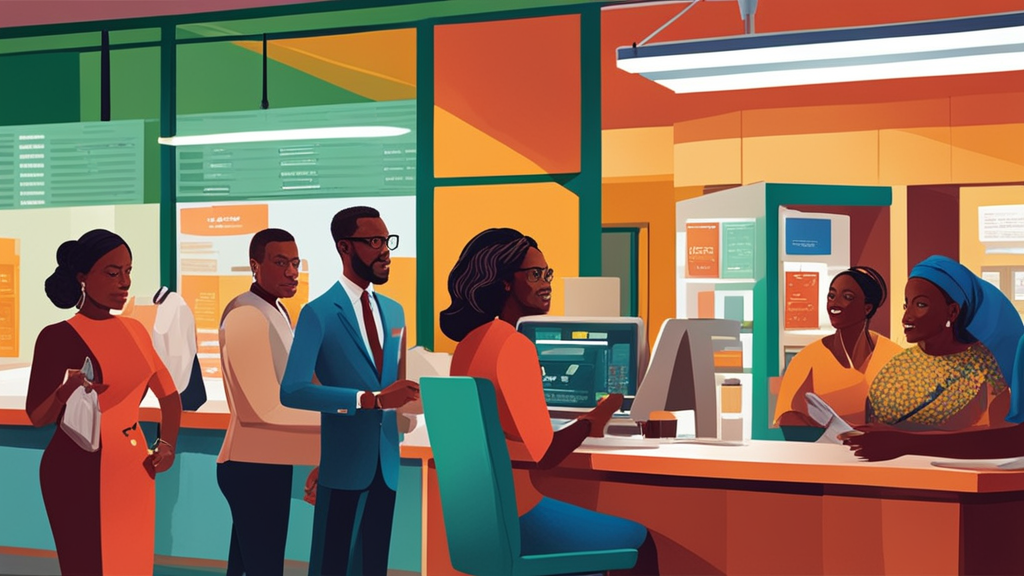
Foreign residents must visit a designated BVN enrolment centre to complete the registration process. These centres are typically located within bank branches across Nigeria. Upon arrival, you will need to fill out the BVN enrolment form and present your identification documents for verification.
During the enrolment process, biometric data will be captured, including fingerprints and a facial image. This data is crucial for the security features of the BVN system. After completing the enrolment, you will receive an acknowledgment slip containing a transaction ID.
Step 3: Receive Your BVN
Once your enrolment is processed, which typically takes no more than 24 hours, you will receive an SMS notification with your unique BVN. It is essential to keep this number secure, as it will be required for all banking transactions and services in Nigeria.
Alternative: Non-Resident Bank Verification Number (NRBVN)
For Nigerians living abroad who wish to obtain a BVN without physically visiting Nigeria, the Non-Resident Bank Verification Number (NRBVN) provides a viable alternative. This service allows you to enroll for a BVN remotely, making it easier for expatriates to access Nigerian banking services.
To register for NRBVN, you must visit the NRBVN website and submit your identification documents, proof of address, and other required information. The platform conducts a thorough KYC check, including a liveness verification process to ensure the authenticity of your application.
Once approved, you can also open domiciliary accounts in multiple currencies, such as USD, GBP, and EUR, facilitating international transactions and remittances.
Practical Tips for Foreign Residents
Here are some insider tips to help foreign residents navigate the BVN process more smoothly:
- Plan Your Visit: If you are enrolling in person, plan your visit to a bank branch during off-peak hours to avoid long queues.
- Double-Check Documents: Ensure all your documents are in order and meet the requirements to prevent delays in the enrolment process.
- Keep Your BVN Secure: Treat your BVN like a password. Do not share it with anyone, and store it securely to avoid identity theft.
- Utilize Digital Services: If you are eligible, consider using the NRBVN platform to save time and avoid the hassle of physical visits.
Conclusion
Obtaining a Bank Verification Number (BVN) is a critical step for foreign residents looking to engage with the Nigerian banking system. By understanding the importance of the BVN and following the outlined steps, expatriates can ensure secure and efficient banking experiences in Nigeria. Whether you choose to enroll in person or utilize the NRBVN service, having a BVN will significantly enhance your financial interactions in the country.
As you navigate your financial journey in Nigeria, remember that having a BVN is not just a regulatory requirement; it is a gateway to secure and reliable banking services.
AI-Generated Content: This article was created with AI assistance and may contain inaccuracies. Please verify important information with official sources.
