
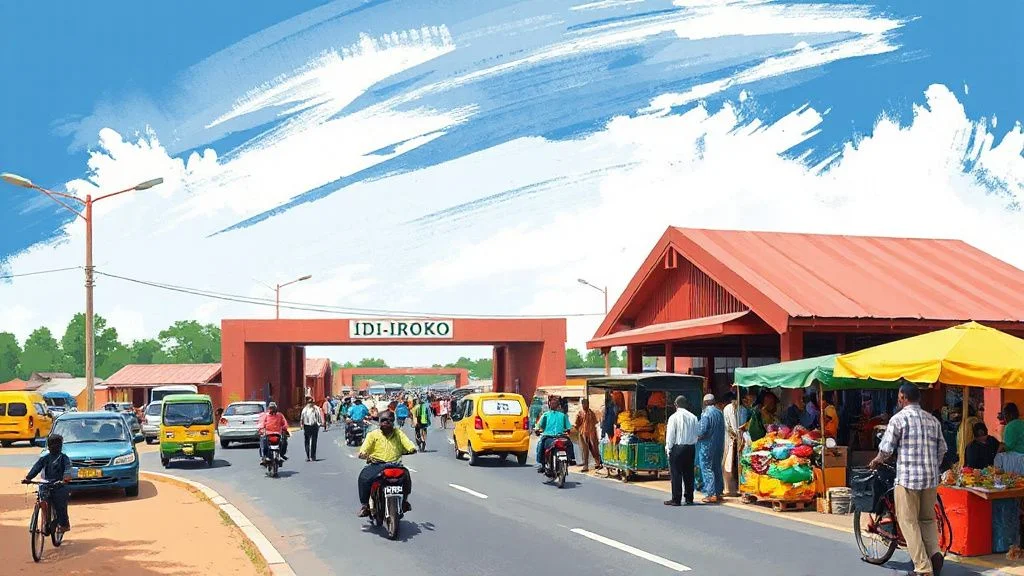
Nigeria's extensive border network plays a crucial role in trade, migration, and national security. This article provides an overview of the main border posts in Nigeria, detailing their locations, what they handle, and practical insights for expatriates and returning-diaspora Nigerians. Understanding these border posts is vital for anyone navigating the complexities of entering or exiting Nigeria.
What can we help you with?
Three short questions, then just how to reach you. No account needed.
Overview of Nigeria's Border Network
Nigeria shares its borders with four countries: Benin to the west, Niger to the north, Chad to the northeast, and Cameroon to the east. The nation's borders are managed by a significant number of officially recognized border posts that facilitate the passage of people and goods. As of our last update, Nigeria has around 84 major border posts, which serve various functions, including customs, immigration control, and security.
Each border post is staffed by multiple agencies, including the Nigeria Immigration Service (NIS) and other security agencies, each with distinct responsibilities. Understanding the roles these border posts play is essential for anyone traveling to or from Nigeria.
Main Border Posts in Nigeria
1. Idi-Iroko Border Post (Benin Border)
Located in a region near Lagos, the Idi-Iroko border post is one of the busiest entry points into Nigeria from Benin. This crossing is particularly popular for traders and travelers moving between the two countries.
At Idi-Iroko, customs officers handle the import and export of goods, while immigration officials process travelers. Despite its open-border policy under the Economic Community of West African States (ECOWAS) Free Movement Protocol, the post has been noted for instances of corruption and bureaucratic inefficiencies. Travelers may face demands for bribes or experience long wait times, especially during peak hours. Carrying valid travel documents, such as a passport and an international health certificate, is advisable to facilitate smoother passage.
2. Seme Border Post (Benin Border)
Another significant entry point from Benin is the Seme border post, which is crucial for trade and commerce, serving as a major transit point for goods destined for Nigeria.
Customs and immigration services at Seme are typically busy with the processing of vehicles, commercial goods, and personal belongings. The border post operates under the ECOWAS framework, aiming to enhance free movement. However, travelers should remain vigilant about potential scams and ensure they have the required documentation to avoid delays.
3. Chikanda Border Post (Niger Border)
Situated in a northern region of Nigeria, Chikanda serves as a border crossing into Niger. This post serves both commercial and personal traffic and is essential for the movement of goods such as livestock and agricultural produce.
At Chikanda, customs officials regulate trade, while immigration authorities verify the identities of travelers. The region can be particularly challenging during the Harmattan season (roughly December to February), characterized by dry and dusty winds, making travel conditions less than ideal. Ensuring that you have ample water and protective gear against dust is advisable during this period.
4. Banki Border Post (Cameroon Border)
Located in a northeastern region of Nigeria, the Banki border post is an important entry point into Nigeria from Cameroon. This post is vital in facilitating humanitarian aid and trade, particularly in the northeastern region of Nigeria.
Border operations at Banki focus on security, with authorities keenly monitoring for trafficking and smuggling activities. Travelers should be aware of the heightened security presence and potential delays due to checks aimed at maintaining safety in the area. It is recommended to travel in groups and stay updated on local security conditions before attempting to cross at this post.
5. Mfum Border Post (Cameroon Border)
In Cross River State, the Mfum border post connects Nigeria with Cameroon. This crossing is particularly known for its cultural exchanges, given the proximity of communities on either side of the border.
At Mfum, customs and immigration services manage both trade and personal travel. This border is generally less congested than others, making it easier for travelers to cross. However, it is still advisable to have all necessary documents prepared in advance to ensure a swift passage.
What Each Border Post Handles
Each border post in Nigeria serves specific functions that contribute to the overall management of borders in the country. Here are some key aspects:
- Immigration Control: Each border post has immigration officers responsible for checking the travel documents of individuals entering or leaving Nigeria. This is crucial for maintaining national security and monitoring migration.
- Customs Regulation: Customs officers manage the import and export of goods, ensuring compliance with national trade regulations. They assess duties and tariffs on goods crossing the border.
- Security Operations: Various security agencies, including the police and military, are present at border posts to monitor activities and prevent illegal crossings.
- Health Checks: In light of public health concerns, border posts may also conduct health checks, especially during outbreaks. Travelers should be prepared to show health certificates as required.
Practical Tips for Expats
For expatriates and returning-diaspora Nigerians, navigating border posts can be daunting. Here are some practical tips to ensure a hassle-free experience:
- Carry Valid Documents: Always have your passport and any necessary visas or health certificates readily available. This can help expedite the process at border posts.
- Be Aware of Local Conditions: Stay informed about the security situation and weather conditions, particularly in regions prone to unrest or harsh weather.
- Prepare for Delays: Expect long wait times at busy border posts, particularly during peak travel seasons. Bring snacks, water, and entertainment to make the wait more bearable.
- Know the Rules: Familiarize yourself with the specific requirements for crossing each border, as they may vary. This can help avoid unexpected fees or delays.
- Be Cautious of Corruption: While many officials are professional, instances of corruption do occur. Approach requests for payments with caution and seek clarification on official fees.
Conclusion
Nigeria's border posts are vital gateways that facilitate trade, travel, and cultural exchange. Understanding their locations and functions can significantly improve the experience of expatriates and returning-diaspora Nigerians. By being informed, prepared, and cautious, travelers can navigate these crossings more effectively, making their journey in and out of Nigeria smoother and more enjoyable.
Primary Sources
Last updated: October 2026
