
This guide was synthesized using the latest legislative data and verified by our editorial board. Laws are subject to change; always consult official sources for final confirmation.
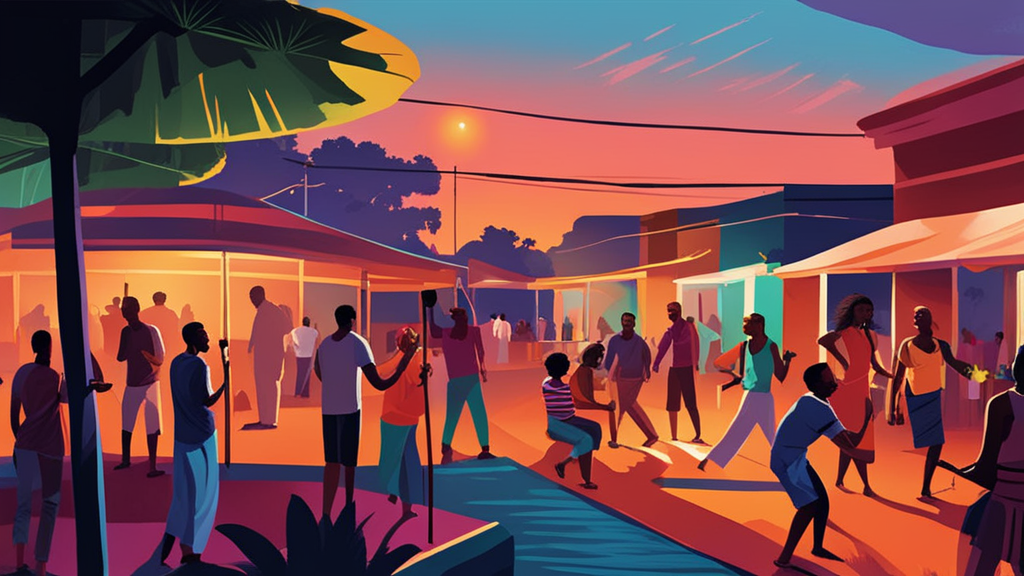
Understanding the weekend life in Abuja and Lagos is key for expatriates and returning Nigerians navigating their new surroundings. This article delves into the distinct offerings of both cities, from recreational activities to nightlife, providing practical insights for those considering where to spend their weekends.
Weekend Activities in Abuja
Outdoor Adventures and Relaxation
Abuja, known for its serene environment and well-planned layout, offers several outdoor activities perfect for a relaxing weekend. The city's parks, such as Jabi Lake Park, provide opportunities for leisurely strolls, picnics, or boat rides. The lake itself is a picturesque location, and you can typically rent paddle boats for a scenic afternoon. The entrance fee for such parks is reasonably priced, typically around 1,000 NGN (approximately 0.75 USD), making it an affordable outing.
Another highlight is Aso Rock, a prominent geographical feature and landmark. Hiking trails around Aso Rock offer a moderate challenge and reward hikers with stunning views of the city. Weekend hiking trips can attract nature enthusiasts and families alike, fostering a sense of community among participants.
Cultural and Artistic Events
Abuja's cultural scene is vibrant, with numerous events taking place over the weekends. The National Mosque and the National Church are significant sites that often host cultural events, exhibitions, and music performances. Local art galleries and craft markets also showcase the talent of Nigerian artists, and visiting these can provide insights into the country's rich heritage.
For those interested in nightlife, Abuja has a growing scene with various lounges and bars featuring live music, offering a quieter alternative to Lagos’ bustling nightlife. Typically, drinks at these venues range from 3,000 NGN to 8,000 NGN (2.25 to 6 USD), depending on the establishment.
Weekend Activities in Lagos
Vibrant Nightlife and Entertainment
Lagos is renowned for its dynamic nightlife and entertainment options. The city comes alive after dark, with a plethora of clubs, bars, and live music venues. Areas like Victoria Island and Lekki are hotspots for expatriates, featuring international DJs, themed parties, and unique local entertainment experiences. Entrance fees can vary widely, but expect to pay around 5,000 NGN (approximately 3.75 USD) to 15,000 NGN (11.25 USD) for exclusive events.
Dining in Lagos also reflects its cosmopolitan nature, with restaurants offering a mix of local and international cuisines. Weekend brunch spots are popular, and many venues provide outdoor seating, perfect for enjoying the tropical climate. Prices for brunch can range from 4,000 NGN to 12,000 NGN (3 to 9 USD), allowing for various budgets.
Beaches and Outdoor Fun
For those looking to unwind, Lagos boasts beautiful beaches along its coastline. Popular spots like Tarkwa Bay and Elegushi Beach offer a range of activities, from beach volleyball to water sports. Entrance fees to these beaches can typically be around 1,000 NGN (0.75 USD), making it an accessible weekend getaway. Many beach resorts provide amenities such as food and drinks, contributing to a laid-back atmosphere ideal for families or friends.
Additionally, local markets and cultural festivals throughout Lagos provide a taste of the city's rich heritage. Engaging with local vendors and artisans can offer unique shopping experiences, perfect for souvenirs and gifts.
Cost of Living Considerations
Comparing Expenses
When evaluating weekend life in Abuja versus Lagos, consider the cost of living. Generally, Abuja is perceived as more affordable than Lagos, particularly concerning housing and transportation. A typical monthly rent for a one-bedroom apartment in the city center of Abuja can range from 350,000 NGN to 600,000 NGN (approximately 263 to 450 USD), while similar accommodations in Lagos may cost between 600,000 NGN and 1,200,000 NGN (450 to 900 USD).
Food and drink expenses also vary, with Lagos often being pricier due to its international dining options. Transport in both cities can be managed affordably, with ride-hailing services available in both, typically costing around 1,500 NGN (1.13 USD) for short distances.
Safety and Accessibility
Understanding Local Safety
Safety is a priority for weekend leisure activities. Abuja is generally considered safer than Lagos, with lower crime rates reported. This sense of security allows residents and visitors to explore parks and outdoor venues with greater peace of mind. However, it's wise to stay aware of your surroundings and avoid isolated areas, especially at night.
Lagos, while vibrant, requires more caution. Although many areas are safe, some neighborhoods can be less secure, particularly after dark. When attending events or visiting nightlife spots, it’s advisable to travel in groups or use reliable transportation services to ensure safety.
What Expats Should Know
Insider Tips for Enjoying Your Weekend
- Join local expatriate groups on social media to stay updated on events and social gatherings.
- Explore different neighborhoods to experience varied atmospheres; each area has its unique charm.
- Try local cuisine at street food stalls for an authentic experience without breaking the bank.
- Plan weekend activities in advance, especially during peak seasons or holidays when events are more crowded.
- Engage with locals to gain insights into hidden gems and lesser-known attractions.
In conclusion, both Abuja and Lagos offer unique weekend experiences tailored to different lifestyles. Abuja is ideal for those seeking relaxation and cultural enrichment, while Lagos caters to those looking for vibrant nightlife and diverse entertainment options. Understanding these differences can help expatriates make informed decisions about how to spend their weekends in Nigeria.
AI-Generated Content: This article was created with AI assistance and may contain inaccuracies. Please verify important information with official sources.
Exchange rate used in this article: 1 USD = 1332.096 NGN (rate as of 2026-10-13T04:40:22.511112+00:00, source: Central Bank of Nigeria (CBN)).